Rays instead of scalpels
The Gray (Gy) is the derived SI unit for absorbed dose, specific energy and kerma (kinetic energy in matter). This unit was named after the English physicist and radiobiologist Louis Harold Gray.1 One Gray is the dose of energy absorbed by a homogeneously distributed material with a mass of 1 kilogram when exposed to ionising radiation bearing 1 joule of energy. So 1 Gy = 1 J/kg
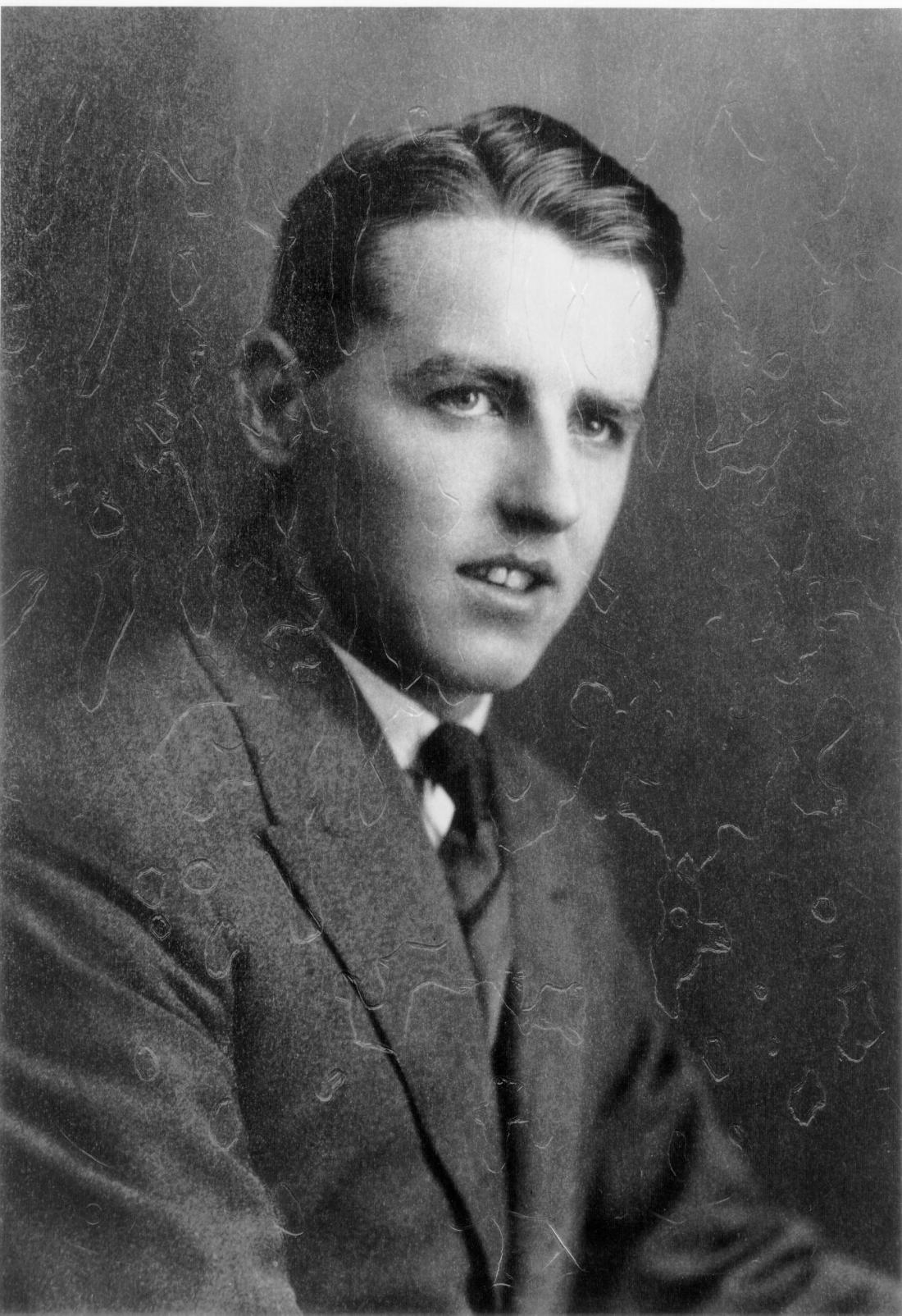
Louis Harold Gray (1905 - 65), the only child of a London family, grew up in modest surroundings. His father, employed as a telegraphist by the General Post Office, was a man of few words who took his boy on long Sunday walks. They practised mental calculations by posing mathematical problems to one another.
Harold's mother was good with her hands and from her he learned to wallpaper, bake and sew; an aunt showed him how to make a bookshelf out of old wooden crates. This was the beginning of a hobby that accompanied Hal (as he was dubbed by his contemporaries), until the end of his life: furniture-making. At school, the boy showed an avid interest in the natural sciences and mathematics. He found languages less interesting. Much later his wife recounted, "Hal sang in the bath on the day when they told him, 'No more Latin'".
At the age of 13, Hal was a successful candidate in a scholarship examination to obtain a stipend for studies at Christ's Hospital, a renowned boarding school. While a pupil there he saw his parents almost only during the school holidays. Hal loved school and studied until late at night.